



Contact form
Contact Us
Managing sulfur hexafluoride from electrical switchgear requires precision, proper certification, and strict adherence to environmental regulations designed to keep this potent greenhouse gas out of the atmosphere. At Beauclair Environnement, we built our reputation on handling dangerous industrial gases safely across our home territory in Quebec, and we want facility managers researching SF6 recycling in Austin to have accurate information about where certified recovery expertise like ours actually operates. Our team's experience with SIMDUT and TMD certified gas handling gives us a clear perspective on what any qualified SF6 recovery provider, wherever they're based, should be able to demonstrate.
Learn how certified SF6 recovery actually works
Do we provide SF6 gas recovery services in the Austin area?
Electrical utilities and industrial sites running gas insulated switchgear rely on strict recovery protocols whenever equipment is serviced or decommissioned, since venting SF6 directly into the air is both environmentally damaging and, in most jurisdictions, restricted by law. Facilities searching for SF6 recycling in Austin are typically looking for a provider that can recover the gas without releasing it, verify purity levels, and route it either for reuse or proper destruction. Our own approach to electrical gas insulated switchgear maintenance support in Quebec follows this same principle, since nothing gets vented and everything gets tracked from pickup to final processing.
What happens to SF6 gas after it's recovered from electrical equipment?
Texas grid operators connected to ERCOT manage a large volume of gas insulated switchgear, and each unit that reaches end of life or requires servicing represents a potential source of SF6 emissions if it isn't handled with care. Because sulfur hexafluoride ranks among the most potent greenhouse gases tracked by environmental regulators, the shift toward certified recovery instead of venting has become a priority for facilities researching SF6 recycling in Austin
and comparable markets. Our own certified industrial gas recovery process
reflects that same standard, forming part of the greenhouse gas recovery services
we provide throughout our Quebec territory.
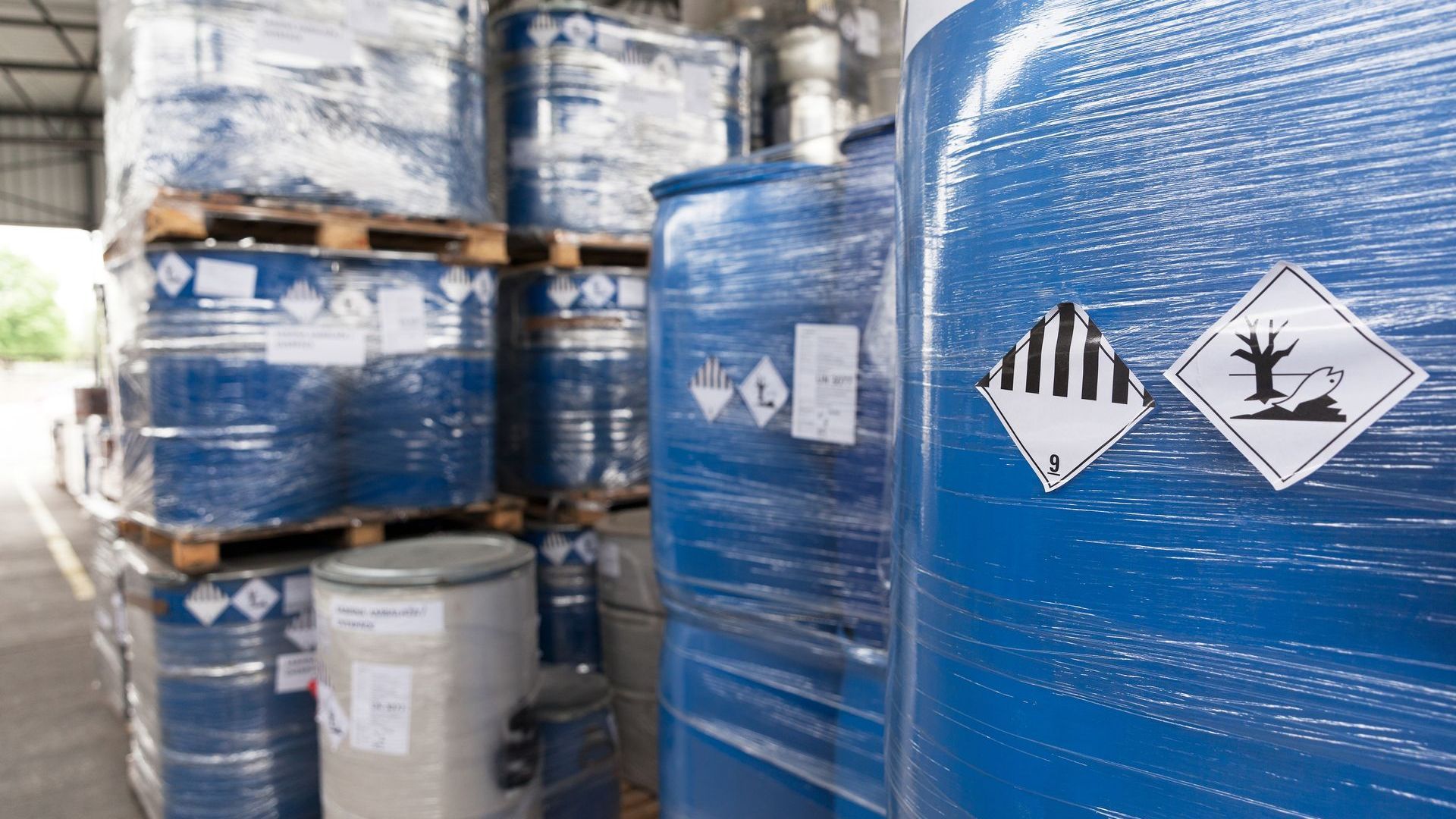
How is recovered SF6 gas safely transported and disposed of?
Because our recovery team and certified operations are based in Quebec, we don't perform on-site pickups for equipment located in Texas, so anyone comparing SF6 recycling in Austin options should look for a locally licensed specialist who can respond within the ERCOT service territory. If your organization also has operations closer to our home territory, or if you simply want to reach out to confirm whether service extends to your area , we're glad to point you in the right direction. What we can speak to with confidence is the standard that any certified SF6 handling technicians team should meet, since it mirrors the training our own staff carries for handling dangerous industrial gases.
Contact us to check if we can support your project
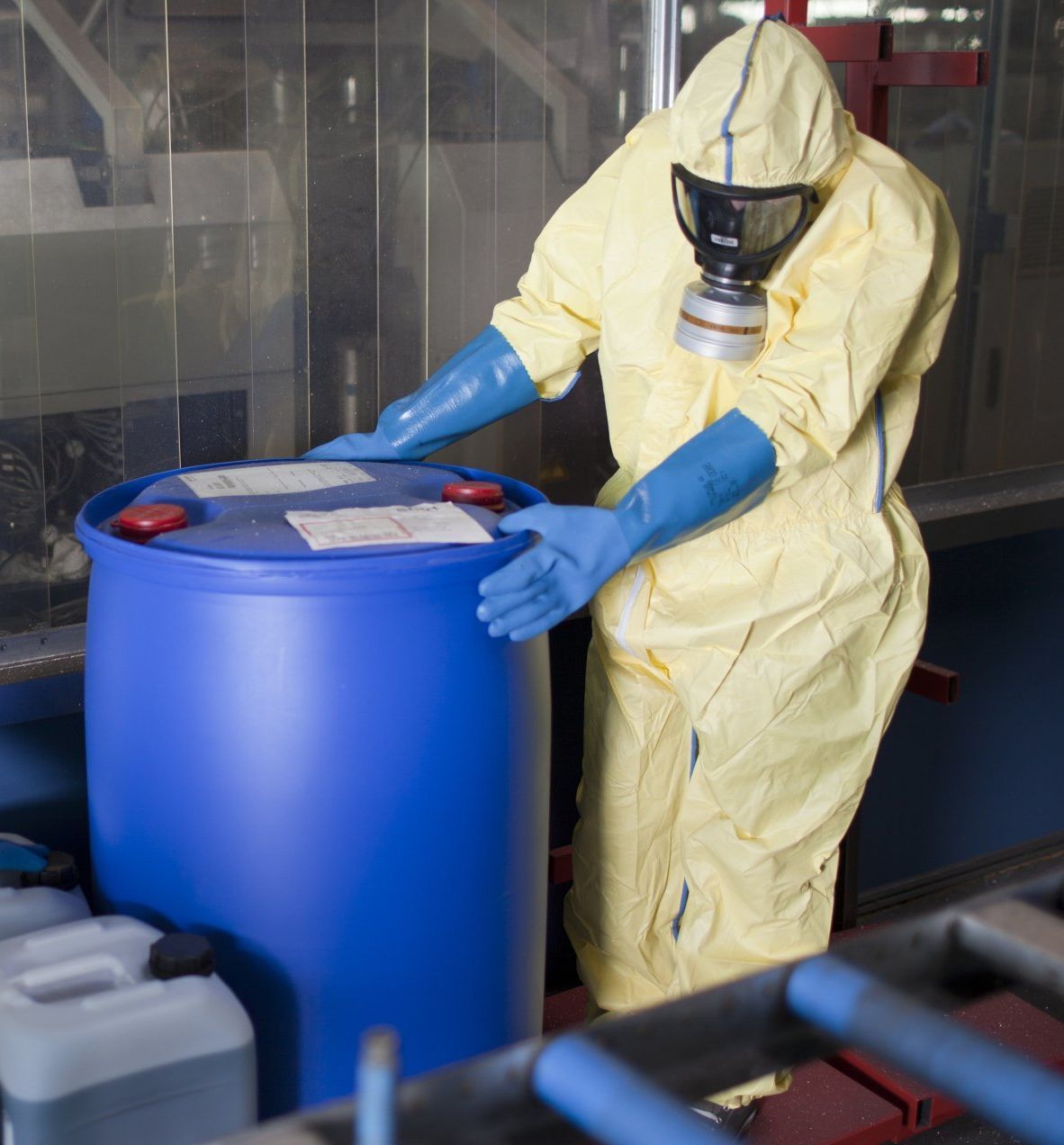
SF6 recycling Austin: how the recovery process typically works
We built our expertise handling dangerous industrial gases and materials across Quebec, and that background shapes how we answer questions from facility managers researching SF6 recycling in Austin and similar markets. Our day-to-day work covers everything from recovery and transport to final processing, and we're happy to explain how that process compares to what you should expect from a Texas-based specialist. If your operations extend into our home territory, take a look at our broader industrial waste handling services to see the full scope of what we manage.
Regardless of who performs the work, a proper gas insulated switchgear service follows a consistent sequence from extraction to final processing. Here's what that sequence generally looks like when handled the right way.
- On-site extraction : Technicians connect specialized recovery equipment directly to the switchgear so the gas is drawn out under controlled pressure rather than released.
- Purity verification: Recovered gas is tested for moisture and decomposition byproducts before anyone decides whether it can be reused or needs further treatment.
- Sealed transport: The gas moves in pressurized cylinders designed to prevent leaks during handling and transit between the extraction site and the processing facility.
- Reuse or destruction routing: Gas that meets purity standards gets filtered and returned to service, while degraded material is sent for proper thermal destruction.
- Chain of custody tracking: Every step from pickup to final disposal gets documented, giving facility managers a clear record of where the gas went and how it was processed.
Looking for answers on hazardous industrial gas handling?
We built our expertise handling dangerous industrial gases and materials across Quebec, and that background shapes how we answer questions from facility managers researching SF6 recycling in Austin and similar markets. Our day-to-day work covers everything from recovery and transport to final processing, and we're happy to explain how that process compares to what you should expect from a Texas-based specialist. If your operations extend into our home territory, take a look at our broader industrial waste handling services to see the full scope of what we manage.
